
Identify the problem before treating the tree
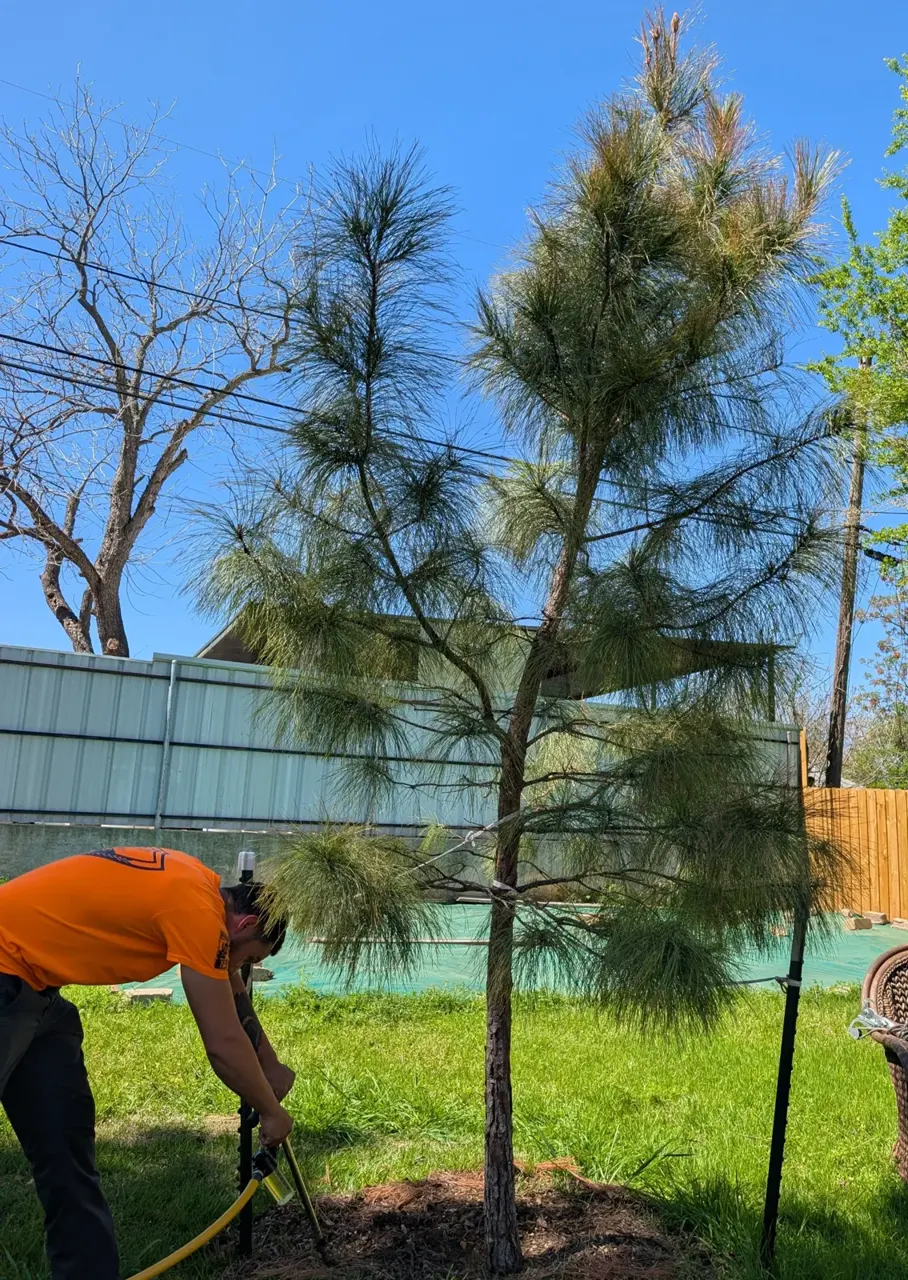
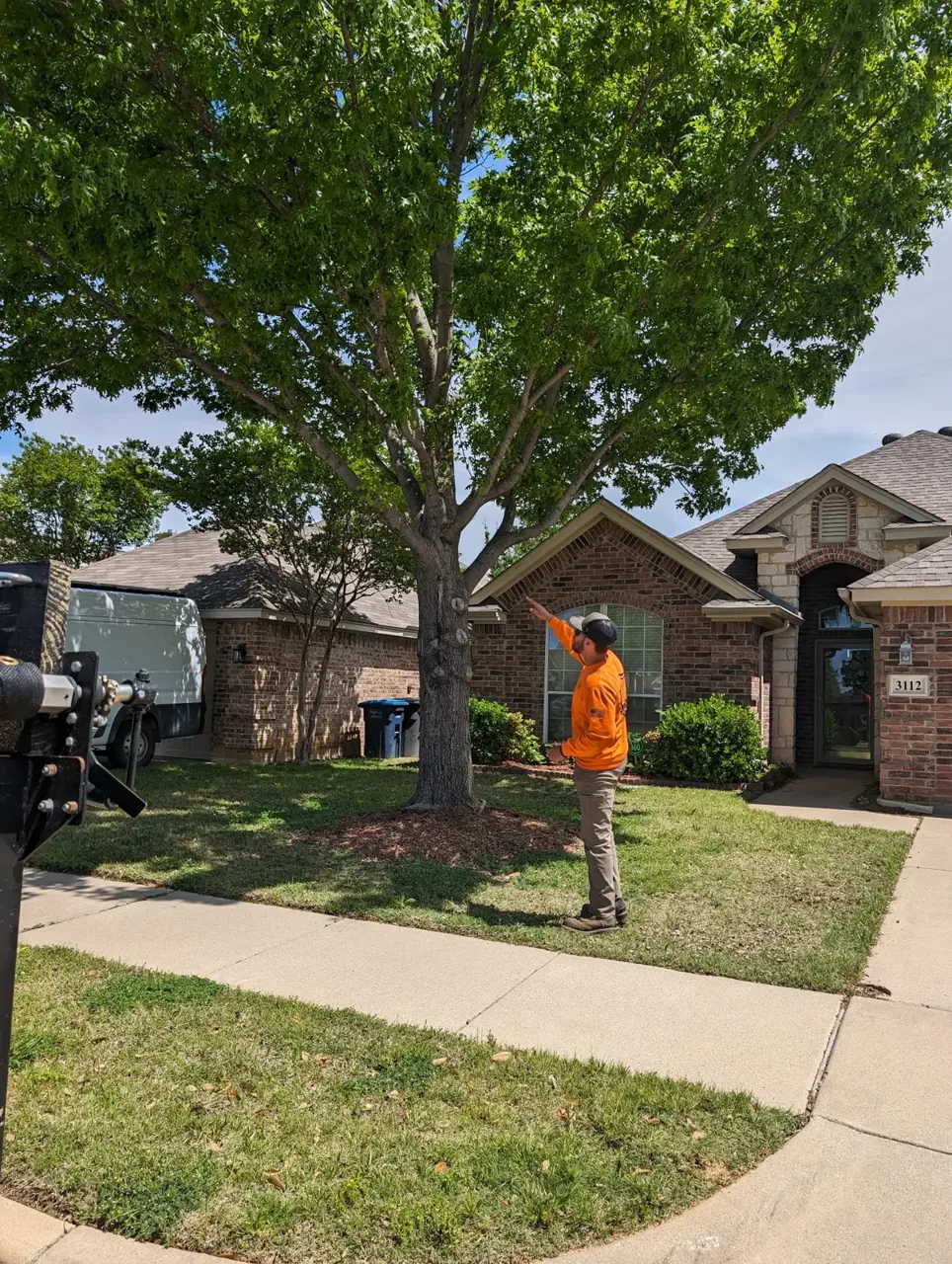
Is something eating, boring into, discoloring, or damaging your tree? Insects and diseases can cause serious problems, but seeing a pest, fungus, or unusual leaf symptom does not automatically mean treatment is needed. Case Tree Service provides pest and disease assessments from an ISA Certified Arborist (TX-5220A) to identify what is affecting the tree, determine the severity of the problem, and recommend treatment only when it is appropriate.
Trees can show pest and disease problems in many different ways. Leaf spots, holes in bark, webbing, unusual insects, mushrooms, cankers, premature leaf drop, dead branches, sticky residue, and thinning foliage can all be signs worth investigating.
The difficult part is determining whether what you are seeing is actually causing the tree's decline. Some insects and fungi are harmless, some are secondary problems taking advantage of an already stressed tree, and others can become serious threats if they are not identified early.
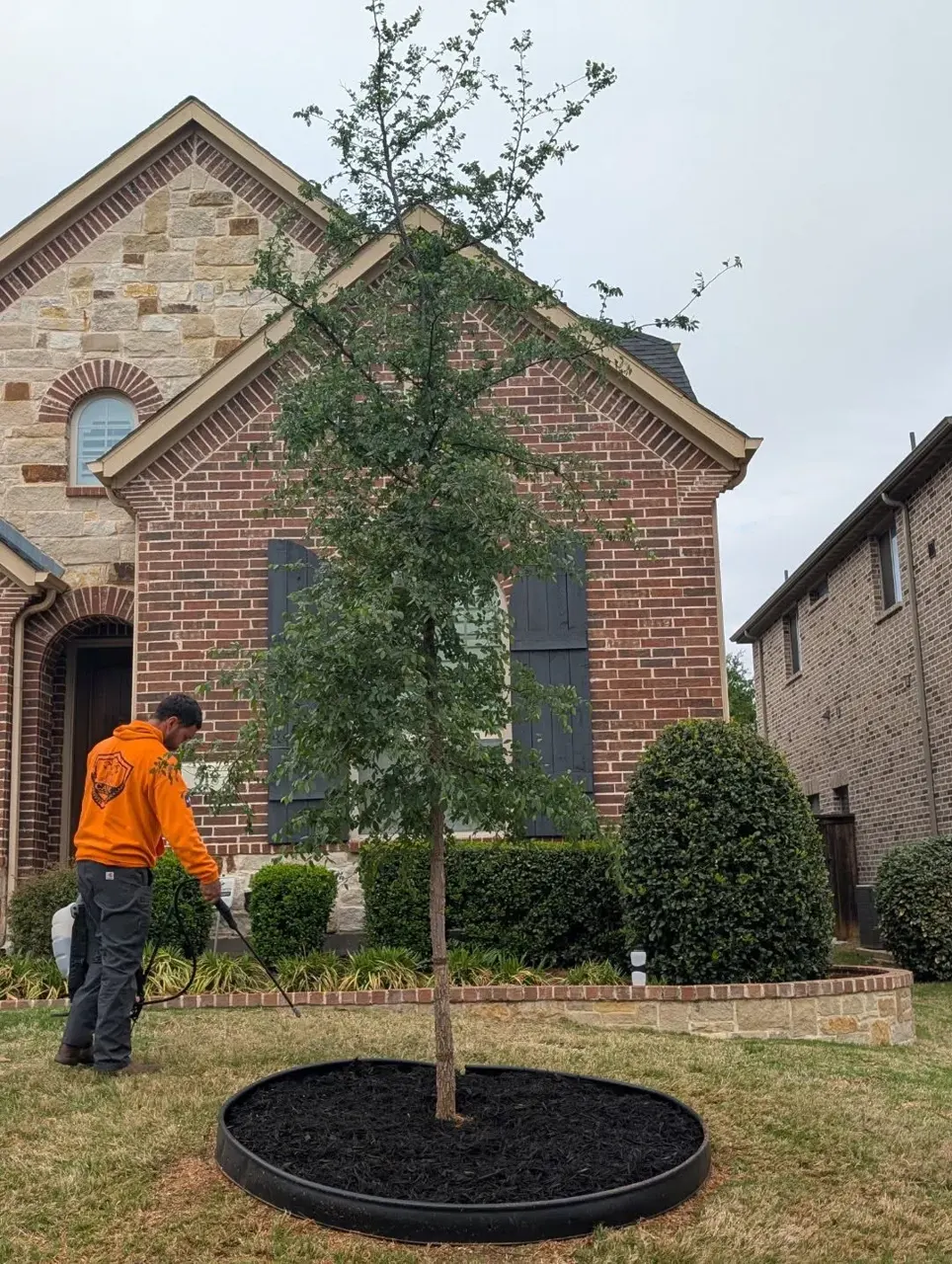
At Case Tree Service, we focus on identifying the problem before recommending a pesticide, fungicide, injection, or other treatment. An ISA Certified Arborist evaluates the tree species, symptoms, pest or disease signs, surrounding environment, root zone, recent weather, and overall tree condition before developing a recommendation.
Signs of Tree Pests & Diseases to Look For
Tree pests and diseases can produce similar symptoms, and environmental stress can sometimes look like disease. These are generalized examples and should not be used as a substitute for proper diagnosis. These are not the only symptoms or signs that are possible.
Holes in the Bark or Sawdust-Like Material
Small holes, loose bark, galleries beneath the bark, or sawdust-like material can indicate boring insects. The size and shape of the holes, tree species, location of the damage, and condition of the canopy can help identify what may be responsible.
Webbing, Caterpillars or Chewed Leaves
Webbing around branches or foliage, missing leaf tissue, skeletonized leaves, or visible caterpillars may indicate a leaf-feeding insect. Some outbreaks look dramatic but cause limited long-term damage, while others may justify treatment depending on the pest and condition of the tree.
Leaf Spots, Blotches or Discoloration
Brown, black, yellow, or irregular areas on leaves may be associated with fungal or bacterial disease, but similar symptoms can also result from heat, drought, irrigation problems, chemical injury, or nutrient availability. The pattern of damage matters.
Cankers, Bark Damage or Dead Areas
Sunken bark, cracking, discolored wood, peeling bark, or localized dead areas may indicate disease, injury, decay, or secondary insect activity. Cankers should be evaluated alongside the health of the surrounding canopy and trunk.
Mushrooms, Conks or Fungal Growth
Visible fungal growth on the trunk, root flare, or surrounding soil does not always mean the tree is dying. However, certain fungi can be associated with internal wood or root decay and may warrant further evaluation.
Sudden Wilting or Branch Dieback
Rapid wilting, dying branches, or sections of canopy decline can sometimes indicate vascular disease, boring insects, root problems, or severe environmental stress. Sudden changes deserve particular attention.
Early Leaf Drop or Thinning Canopy
Premature leaf loss or a canopy becoming progressively thinner may occur when pests or disease interfere with the tree's normal function. Chronic drought, root damage, poor soil conditions, or other stress may also be involved.
Galls, Swellings or Unusual Growths
Abnormal growths on leaves, twigs, or stems are often caused by insects, mites, fungi, or other organisms. Many galls are primarily cosmetic and do not require treatment, which is why identification is important before taking action.
Sticky Leaves or Black Residue
Sticky material on leaves, vehicles, patios, or objects beneath a tree may be honeydew produced by insects such as aphids or scale. Dark sooty mold may grow on this residue. Identifying the insect responsible is the first step toward deciding whether management is necessary.
Seeing one of these symptoms does not automatically mean your tree is dying. The goal is to identify the underlying cause before deciding whether treatment, monitoring, corrective care, or removal is appropriate.
Does Every Tree Pest or Disease Need Treatment?
No. Finding an insect, fungus, gall, or unusual spot on a tree does not automatically mean a pesticide or fungicide should be applied. Trees exist alongside thousands of insects, fungi, bacteria, and other organisms. Some are harmful, some are beneficial, and many cause little or no meaningful damage to an otherwise healthy tree.
Treatment should be based on what the organism is, how much damage it is causing, the health and value of the tree, and whether intervention is likely to provide a meaningful benefit. We also look for the reason a pest or disease problem developed. Drought, excessive watering, damaged roots, compacted soil, construction, poor planting, and other environmental stresses can weaken a tree and make it more vulnerable to secondary insects and pathogens.
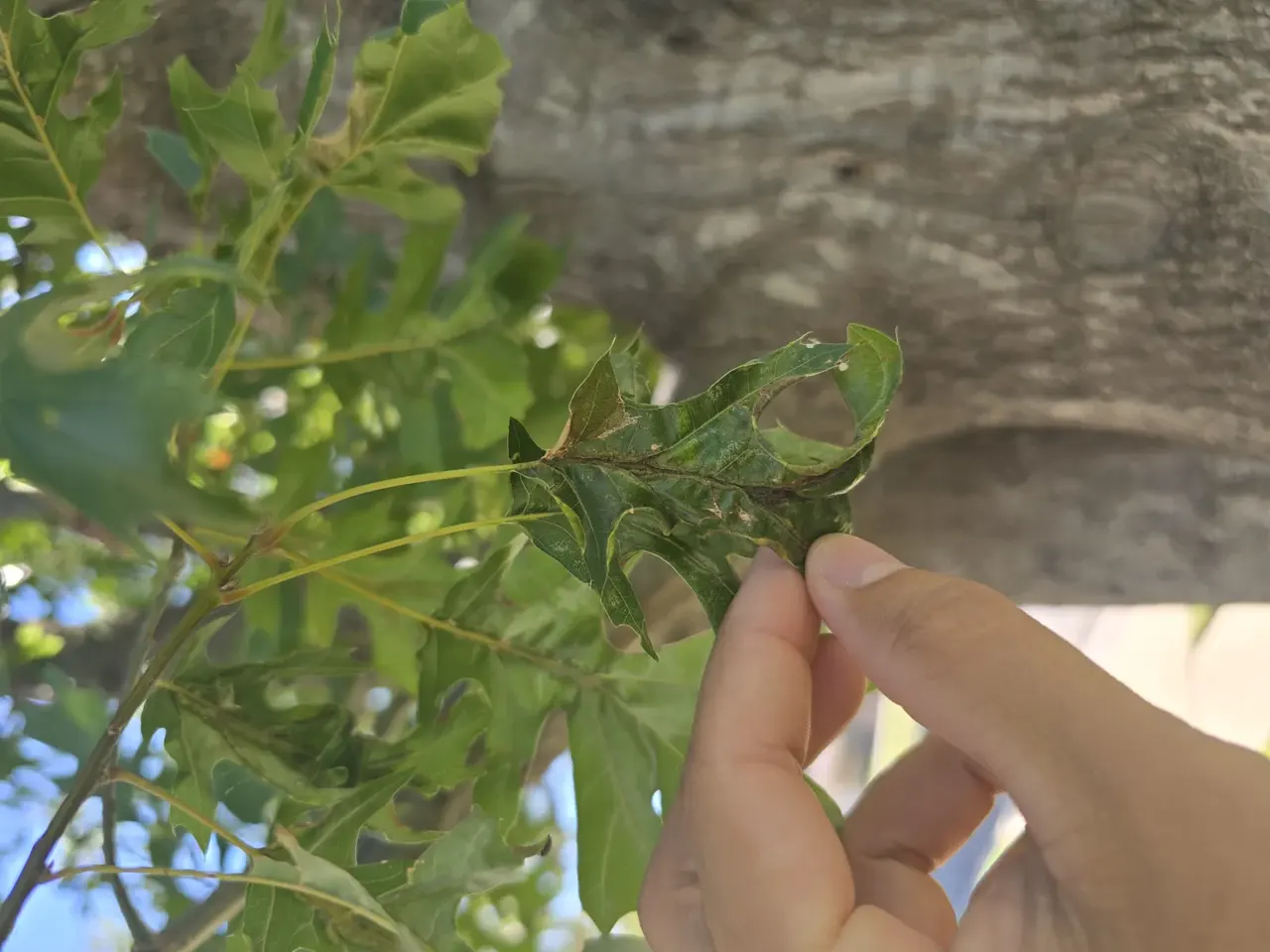
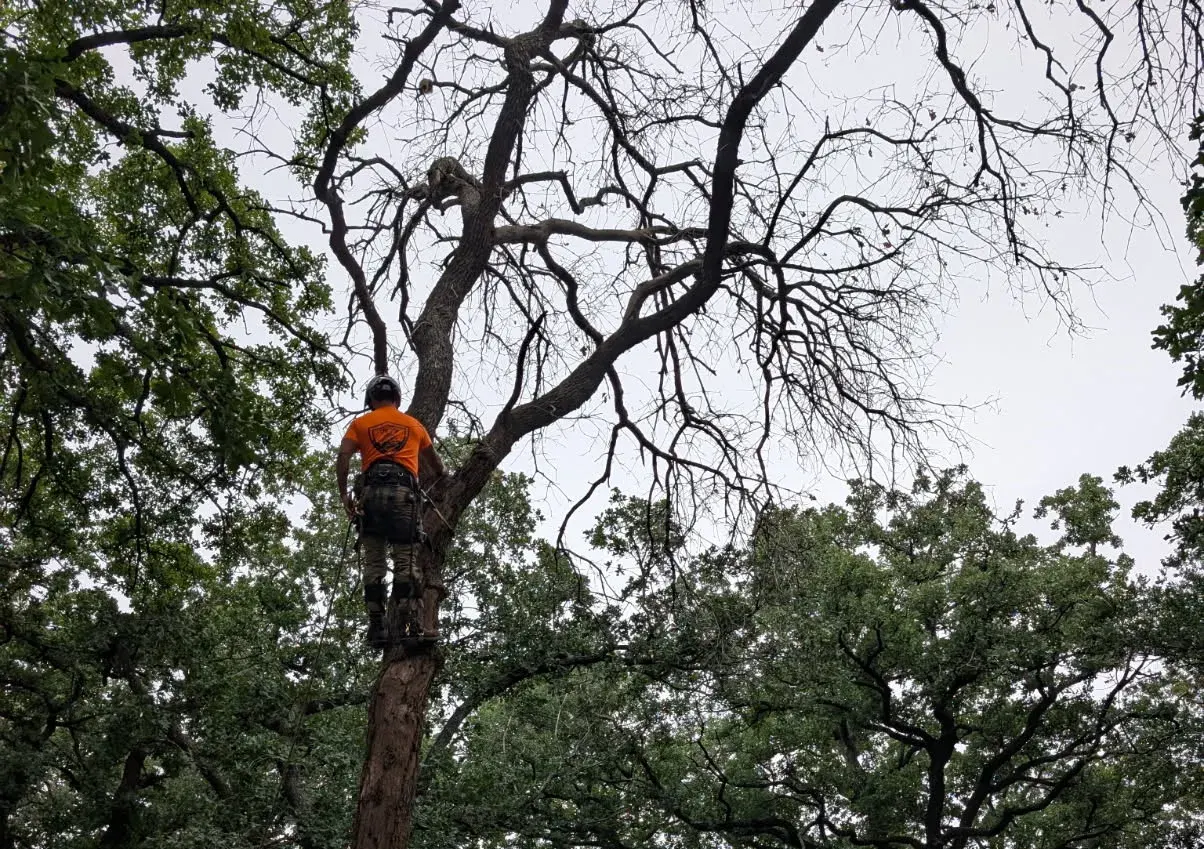
When treatment is justified, we develop a targeted approach based on the specific problem. When treatment is unlikely to help, we will tell you that too. Our goal is not to sell an application. It is to understand what is happening and recommend the most reasonable course of action for the tree.
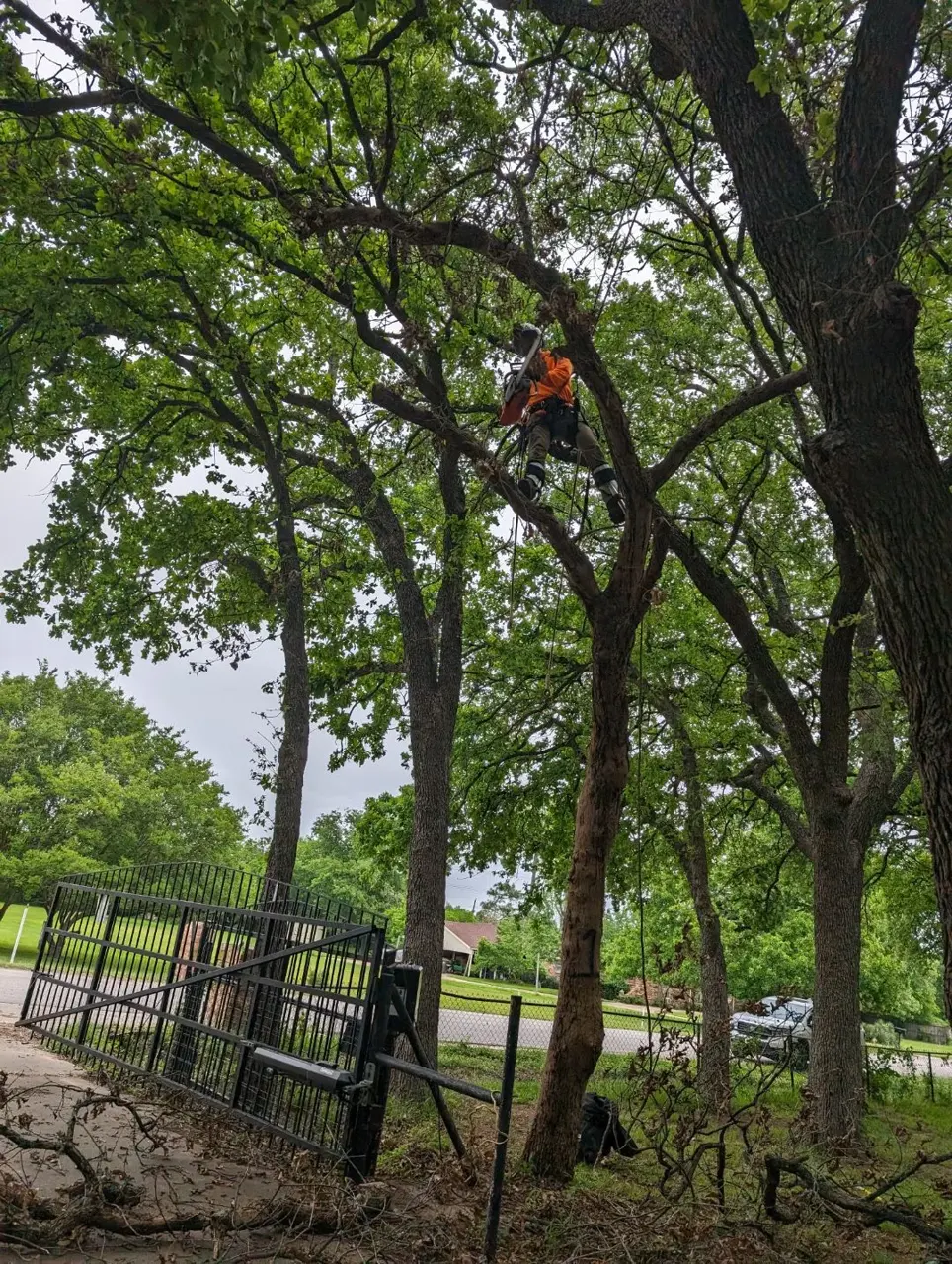
If you find insects or fungus on your tree, the first question shouldn't be “What should we spray or inject?” It should be: “What is actually causing the damage?”
How We Diagnose Tree Pest & Disease Problems
Tree pest and disease diagnosis involves more than matching a leaf or insect to a picture online. Different problems can produce remarkably similar symptoms, and multiple issues may occur on the same tree at the same time. Our diagnostic process focuses on identifying the primary problem, determining how seriously it is affecting the tree, and deciding whether treatment will provide a meaningful benefit.
These steps are accompanied by pictures of some of the pests and diseases we have encountered in the Fort Worth, TX area examined by a Certified Arborist.
1.) Identify the Tree & Symptom Pattern
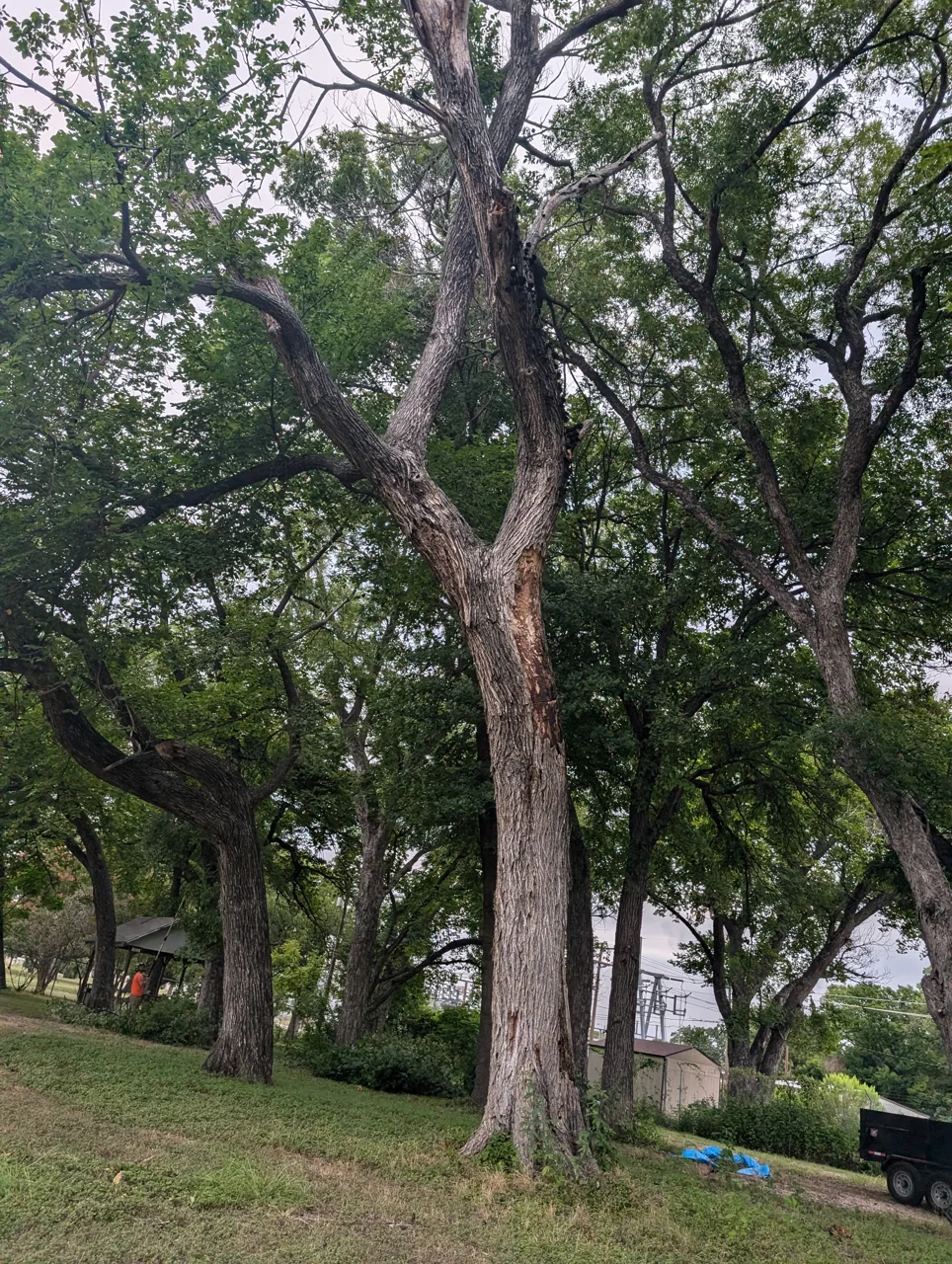
Correct tree identification is important because different tree species are susceptible to different pests and diseases. We inspect the canopy, foliage, bark, trunk, branches, root flare, and surrounding area while looking at where symptoms occur and how they are distributed throughout the tree. A problem affecting one branch may have a very different cause from symptoms appearing uniformly throughout the canopy.
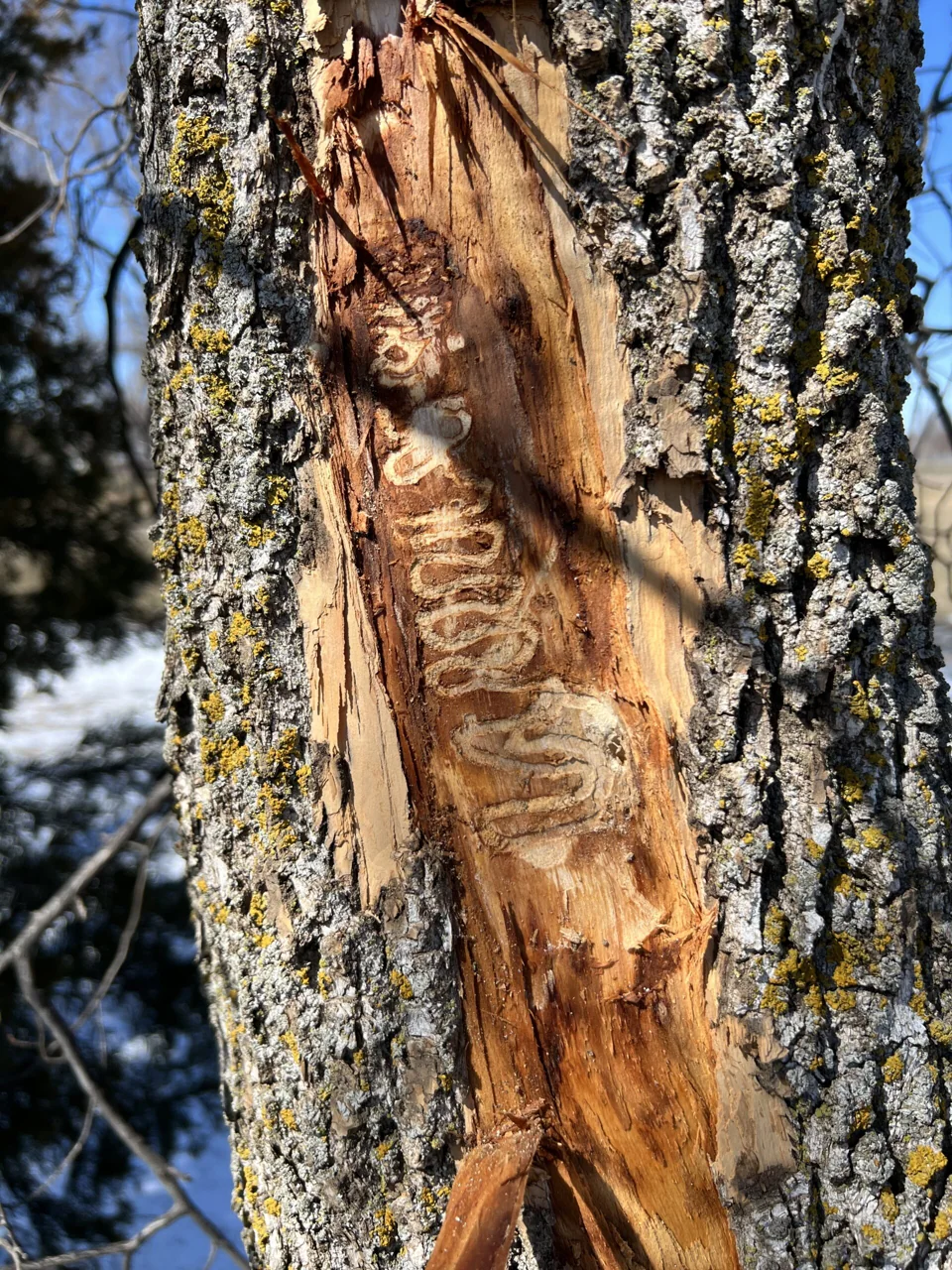
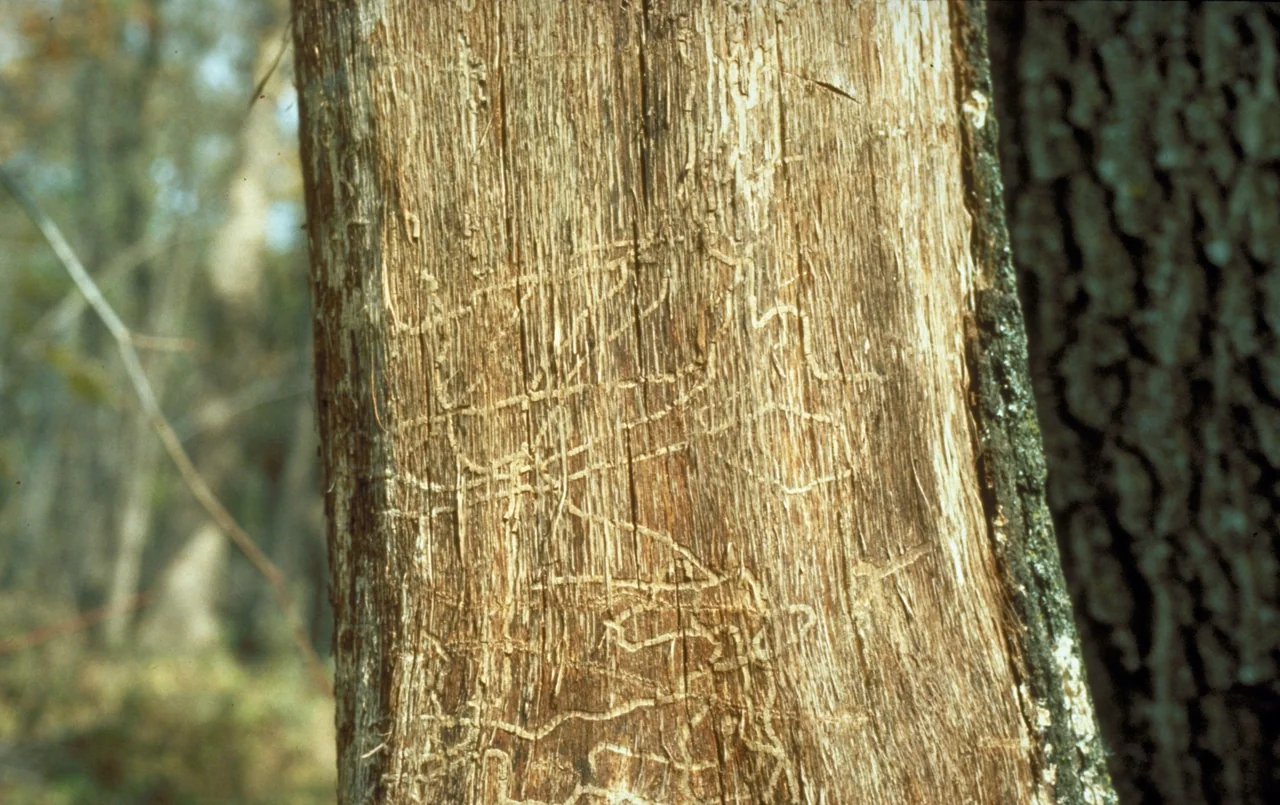
This is a good example of species-specific pests. The first picture shows an ash tree affected by emerald ash borer (Agrilus planipennis), while the second shows an oak affected by twolined chestnut borer (Agrilus bilineatus). Their damage can look very similar, but emerald ash borer attacks ash trees, while twolined chestnut borer primarily attacks oaks. Knowing the tree species, pest biology, and damage patterns is why an experienced set of eyes matters before recommending treatment.
2.) Look for Evidence of Insect Activity
We inspect for visible insects as well as the evidence they leave behind. This may include: Exit holes, boring dust or frass, larval galleries, egg masses, webbing, chewed or skeletonized leaves, honeydew, scale coverings, abnormal growths or galls, and bark disruption Finding an insect still does not automatically mean it is responsible for the tree's decline. Identification and the amount of damage present help determine its significance.
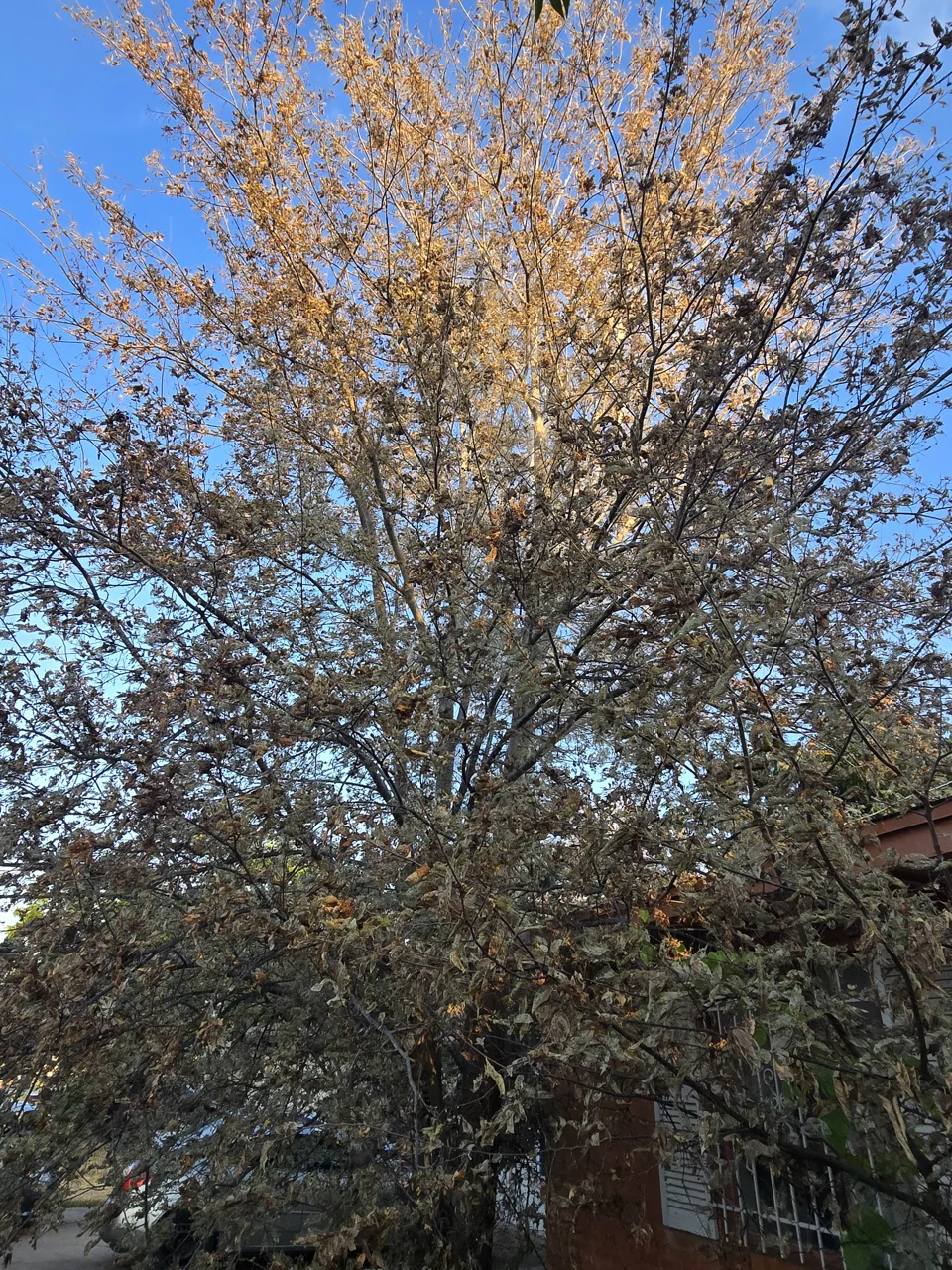
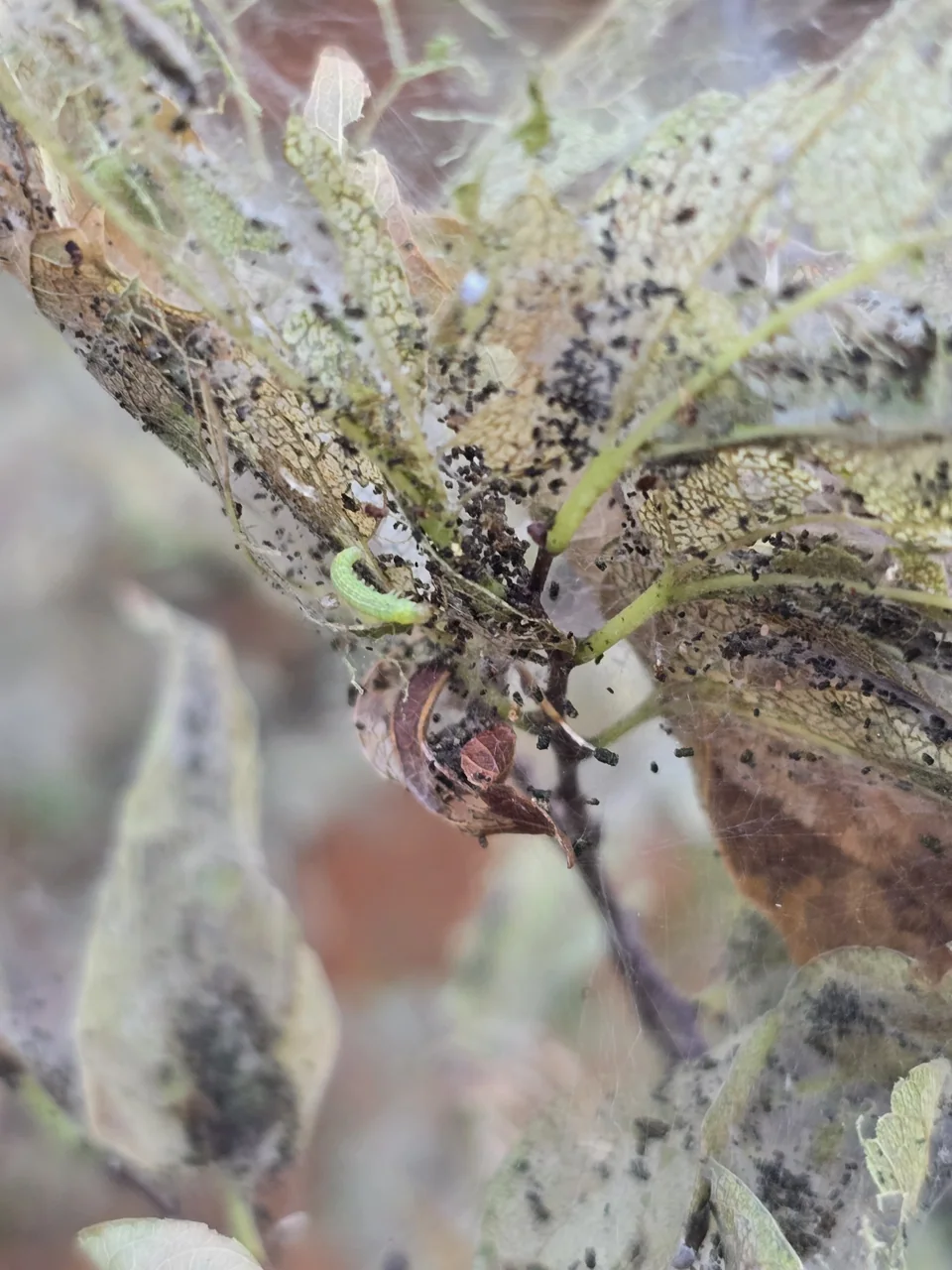
Above are pictures of the hackberry defoliator, more commonly known as the hackberry leafroller (Sciota celtidella). These small green caterpillars feed aggressively on hackberry foliage and produce silken webbing as they move and feed throughout the canopy. During heavy infestations, large numbers can consume leaves extremely quickly, sometimes leaving portions of a tree—or even much of the canopy—nearly defoliated in a short period of time.
3.) Evaluate Possible Tree Diseases
Fungal and bacterial diseases may affect leaves, branches, vascular tissue, bark, roots, or other portions of the tree. We look at the location and pattern of symptoms rather than relying on a single damaged leaf. Leaf spots, cankers, discoloration, wilting, fungal structures, bark abnormalities, premature defoliation, and branch dieback can all provide useful diagnostic information.
Some diseases can be reasonably identified through signs, symptoms, tree species, and site history. Others may require laboratory testing before making a treatment decision.
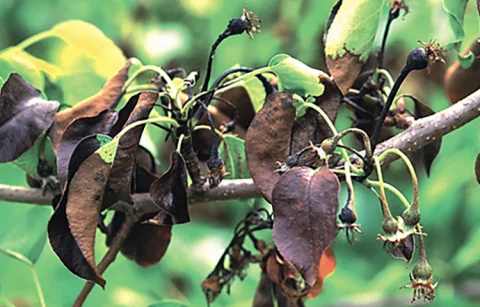
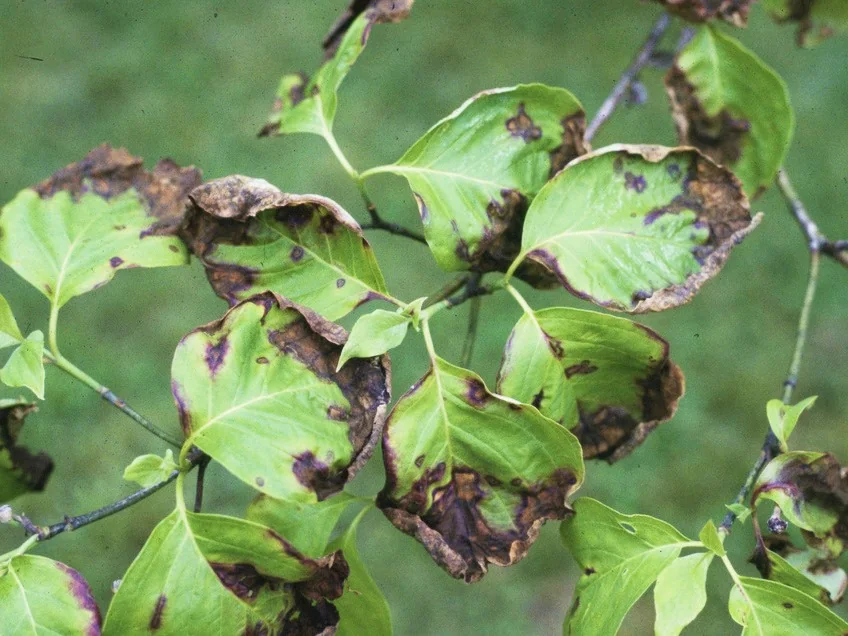
Above, the first picture shows a close-up of fire blight, a bacterial disease commonly affecting Bradford pears and other plants in the rose family. It can cause blackened, scorched-looking leaves, shoot dieback, and the classic “shepherd’s crook” appearance on infected twigs. The second picture shows anthracnose, a fungal disease that can cause irregular brown leaf spots, blotching, premature leaf drop, and twig dieback depending on the tree species and severity.
4.) Look Beyond the Pest or Disease
One of the most important parts of pest and disease diagnosis is determining whether something else weakened the tree first. We consider: Drought and extreme heat Overwatering or poor drainage Compacted soil Root damage Construction activity Improper planting depth Restricted rooting space Mechanical wounds Soil conditions Previous herbicide or chemical exposure Overall tree vigor Correcting these underlying problems can sometimes be just as important as managing the insect or disease itself.
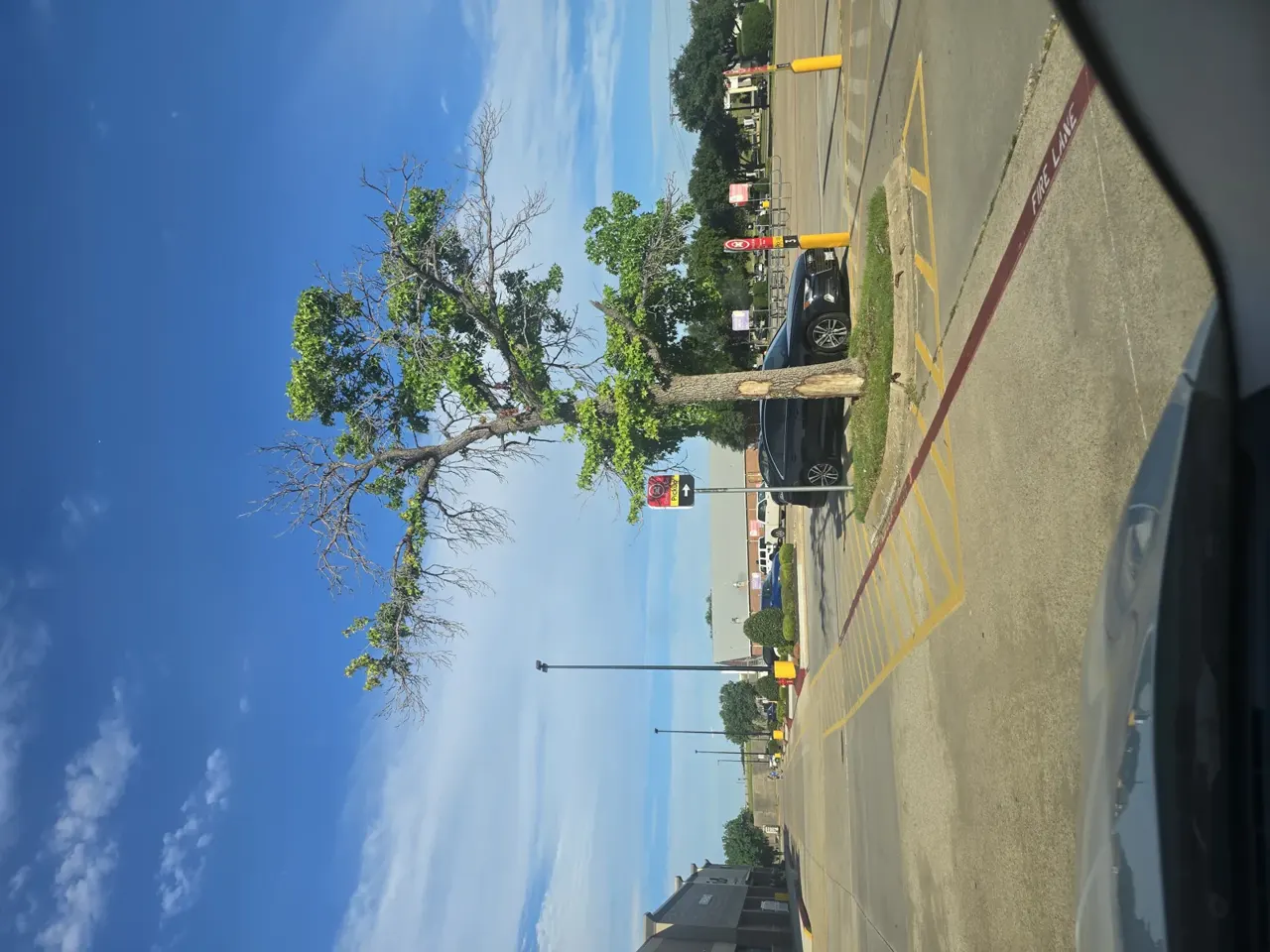
The first picture shows a severely stressed tree growing in a hot parking lot with very limited rooting space. That does not rule out pests or disease, but in this case the environmental stress is likely the biggest factor, with reflected heat, restricted roots, compacted soil, and limited access to water all working against the tree.
The second picture shows a tree with a completely brown top that could easily be mistaken for a fungal or insect problem, but the damage was actually from squirrels stripping bark during hot, dry weather. When bark is removed all the way around a limb or stem, it can girdle that section and cut off water and nutrient movement, causing everything above the damage to die.
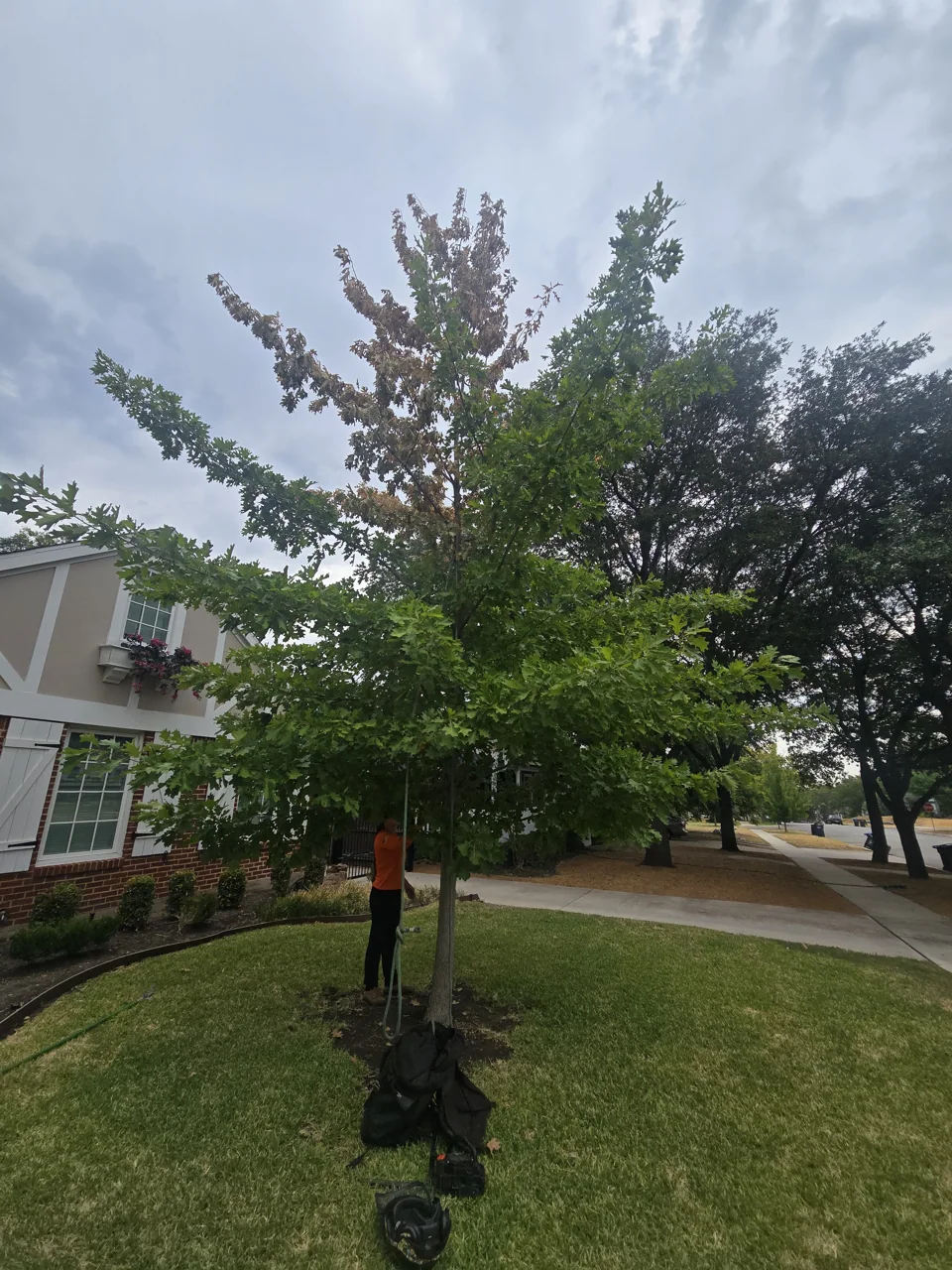
5.) Determine Whether Treatment Is Warranted
Treatment is not automatically the next step. We consider the pest or disease involved, severity of the problem, time of year, tree species, overall tree health, potential for additional damage, value of the tree, and likelihood that treatment will actually improve the outcome. This is the basis of an Integrated Pest Management approach: identify the problem, monitor its significance, address contributing conditions, and use targeted treatment when intervention is justified.
The staining and moisture shown here are consistent with bacterial wetwood, also called slime flux. It can look alarming, but the presence of wetwood does not automatically mean the tree needs to be treated. In many cases, trees can live with it for years without significant problems.
Rather than trying to “cure” the bacteria, the better approach is usually to reduce the stresses affecting the tree, such as drought, root damage, soil compaction, or poor growing conditions, and monitor the tree for changes over time. This is a good example of why not every visible tree problem requires a chemical treatment.
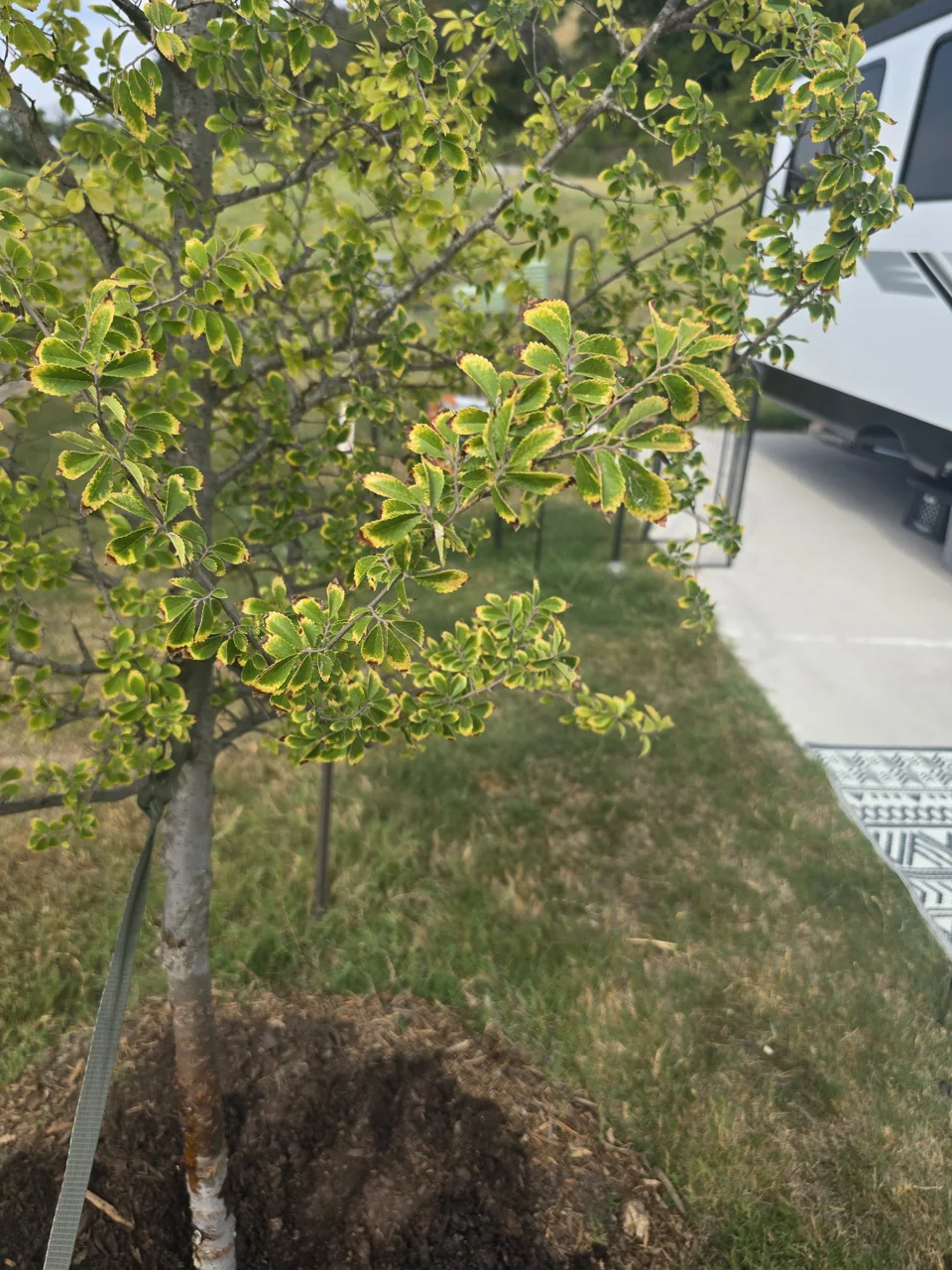
6.) Testing When Needed
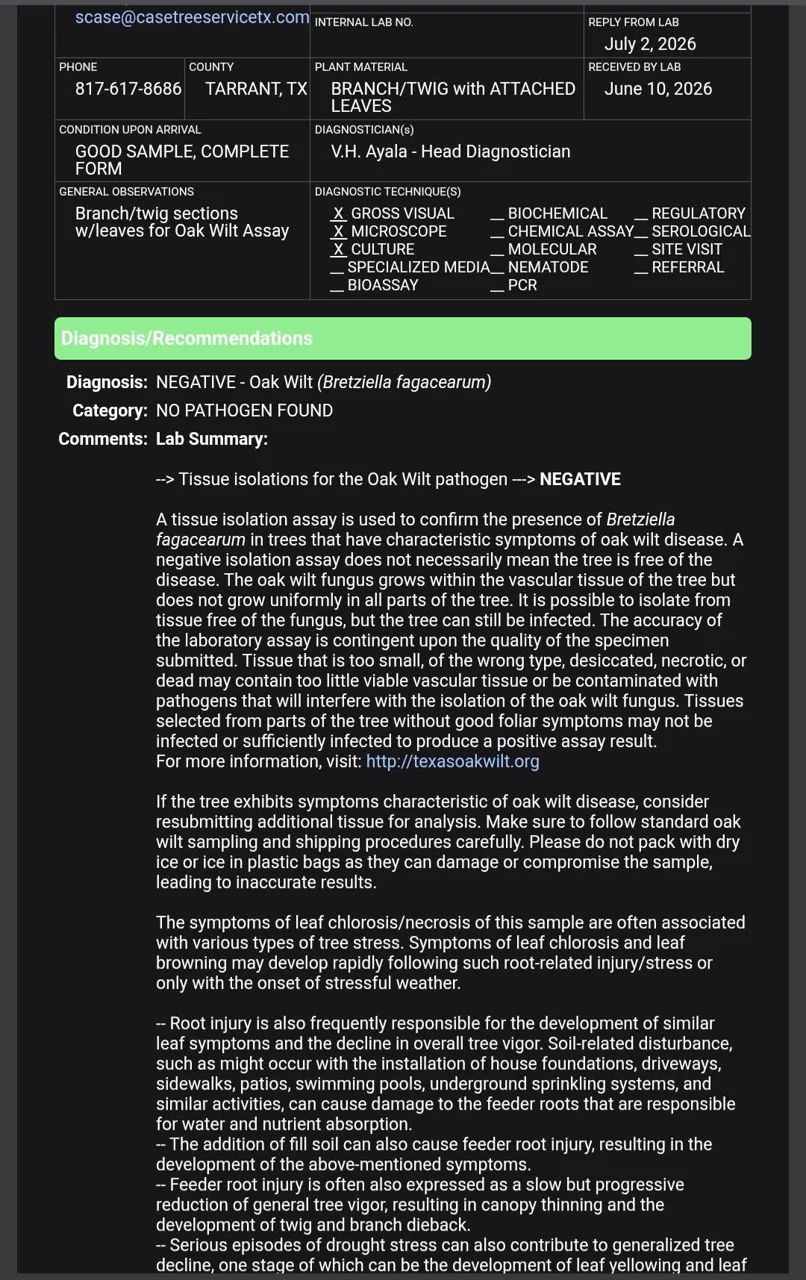
When symptoms alone are not enough to confidently identify a problem, additional testing may be recommended. Laboratory analysis may be useful for certain fungal, bacterial, or vascular diseases where accurate identification affects the treatment decision. Soil testing may also be useful when nutrient availability, salinity, pH, or root-zone conditions could be contributing to the symptoms. Testing helps reduce guesswork and prevents treating the wrong problem.
Above is an example of oak wilt testing we’ve performed to confirm whether the disease was actually present before making a major recommendation. Oak wilt can be mistaken for drought stress, root damage, insect activity, other vascular problems, and several foliar diseases when diagnosis is based on appearance alone.
Because an incorrect diagnosis can lead to unnecessary treatment or premature tree removal, we prefer to test when symptoms are not definitive and let the evidence guide the recommendation.
Pest & Disease Treatment Is Not One-Size-Fits-All
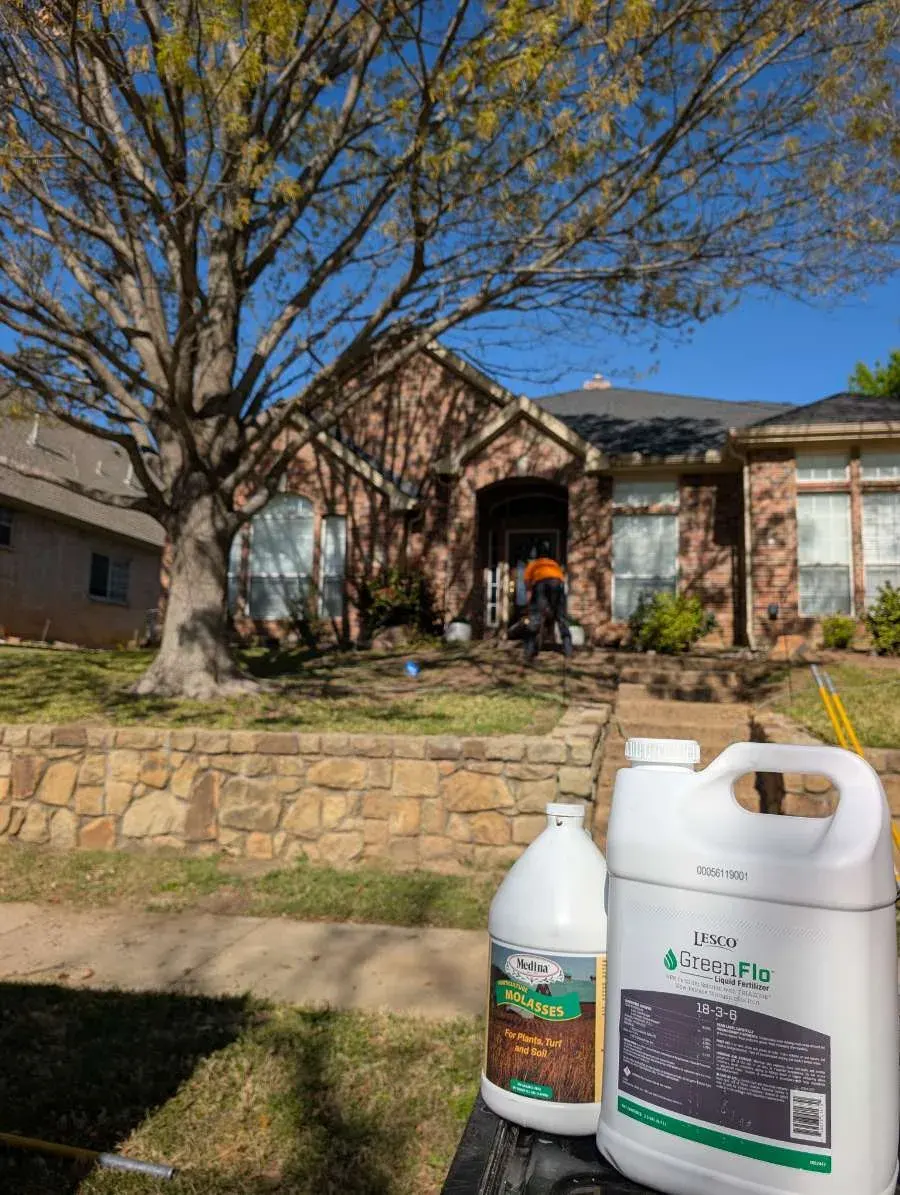
Once we understand what is affecting the tree, treatment depends on the biology of the specific pest or disease and the condition of the tree. Management may include:
- Monitoring without treatment
- Correcting watering or environmental stress
- Improving root-zone conditions
- Sanitation or selective pruning when appropriate
- Targeted insect or disease treatments
- Systemic treatments
- Tree injections
- Soil-applied treatments
- Foliar applications when appropriate
- Laboratory testing
- Ongoing monitoring
The goal is to use the most appropriate method for the actual problem rather than applying products simply because a tree looks unhealthy.
In some situations, treatment can help protect or preserve a valuable tree. In others, the damage may already be too advanced or the condition may not have an effective treatment. When that happens, we explain the realistic options instead of recommending repeated treatments with little expected benefit.
Our Tree Pest & Disease Services
Pest Identification & Diagnosis
We inspect trees for insects and the evidence they leave behind, including boring damage, galleries, webbing, honeydew, scale, galls, feeding damage, and unusual activity. Some may require testing and some may be identifiable on the spot. Correct identification helps determine whether treatment is needed and which management options are appropriate.
Fungal & Bacterial Disease Diagnosis
Leaf spots, cankers, vascular symptoms, fungal growth, bark abnormalities, wilting, and premature leaf drop may be associated with disease. We evaluate the entire tree and surrounding site to distinguish disease from environmental problems that may produce similar symptoms.
Emerald Ash Borer & Borer Management
Borers can cause significant damage when larvae feed beneath the bark and interfere with a tree's vascular system. We evaluate ash trees and other susceptible species for signs of boring insects and determine whether monitoring, preventive management, treatment, or another course of action is appropriate.
Tree Injections & Systemic Treatments
For certain pests and diseases, systemic products can be delivered through tree injection or other targeted application methods. Treatment selection depends on the tree species, pest or disease involved, tree condition, timing, and product being used.
Integrated Pest Management
Integrated Pest Management, or IPM, focuses on identifying the actual problem and using treatment only when justified. Our approach combines diagnosis, monitoring, cultural corrections, tree health improvements, and targeted control methods rather than automatically applying pesticides whenever insects are present.
Monitoring & Follow-Up Care
Some tree health problems cannot be evaluated from a single moment in time. Monitoring changes in canopy condition, pest activity, disease progression, and response to treatment can help determine whether additional intervention is necessary.
Sometimes the Pest Isn't the Primary Problem
Insects and disease often become more noticeable when a tree is already stressed by its growing environment. If soil compaction, irrigation, planting depth, root damage, nutrient availability, or environmental stress appear to be contributing to decline, our Tree Healthcare & Sick Tree Diagnosis service takes a broader look at the entire tree and root environment.
Check out our blog posts
- What is causing my tree to decline?
- How often should I water my trees?
- Hackberry leaf roller: symptoms and recovery
Frequently Asked Pest and Disease Questions
How do I know if my tree has a disease?
Possible signs include abnormal leaf spots, wilting, premature leaf drop, cankers, bark abnormalities, fungal growth, branch dieback, and canopy thinning. However, drought, root problems, irrigation issues, and other environmental stress can cause similar symptoms.
Proper diagnosis is important before treatment.
Does every insect on a tree need to be treated?
No. Many insects cause little meaningful damage, and some are beneficial. Treatment should depend on the species involved, amount of damage occurring, health of the tree, and likelihood that the pest will cause significant injury.
Do you treat tree fungus in the Fort Worth area?
We diagnose fungal problems and recommend treatment or management when appropriate. The proper approach depends on the fungal organism, portion of the tree affected, severity of infection, tree species, and overall tree condition.
Some fungal problems can be managed while others are better addressed by reducing the stresses that made the tree susceptible.
Do you offer tree injections?
Yes. Tree injection may be an appropriate treatment method for certain insects, diseases, or other tree health conditions.
We first identify the problem and evaluate the tree before determining whether injection is appropriate.
Can a tree recover after being attacked by insects?
Sometimes. Recovery depends on the insect involved, amount of damage already present, tree species, overall vigor, and whether the vascular system or structural wood has been significantly affected.
Early identification generally provides more management options.
What is Integrated Pest Management?
Integrated Pest Management, or IPM, is an approach that combines identification, monitoring, prevention, environmental or cultural corrections, and targeted treatment when necessary.
The goal is to manage the actual problem rather than automatically applying pesticides.
Should I treat a tree before I know what is wrong with it?
Generally, diagnosis should come first. Different insects, diseases, environmental stresses, and root problems can produce similar symptoms, while treatment timing and methods can vary considerably.
Treating the wrong problem can waste money and delay correcting the actual cause.